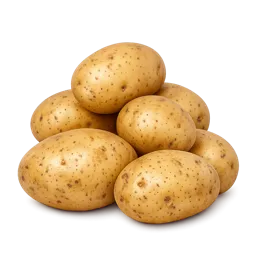
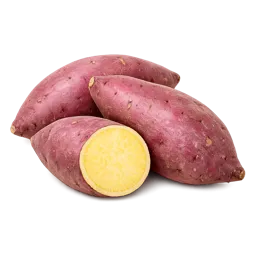
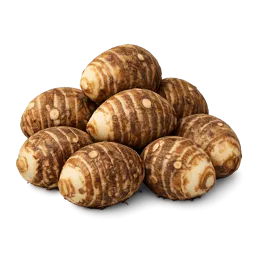
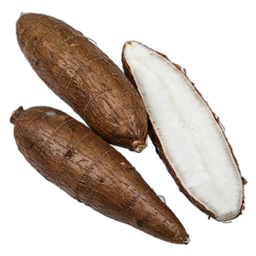
No.090TubersIn season Autumn, Winter
Jerusalem Artichoke Cooking Times
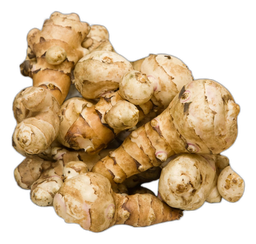
Jerusalem Artichoke: boil for about 5 min (time after boiling begins). Times vary with portion size, cut and heat, so check the conditions for each method below.
Cooking Times by Method
Bars compare the times
- Boil
About 5 min
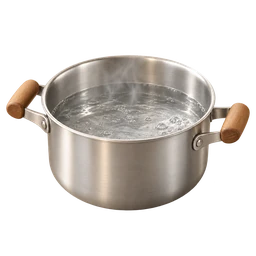
Time after boiling beginsOne step of a miso soup recipe: 100 g peeled and cut 1 cm thick, put in a pot with 400 ml water and dashi over medium heat; once boiling, covered and simmered on low for about 5 min until tender
Start a timer - Steam
5-8 min
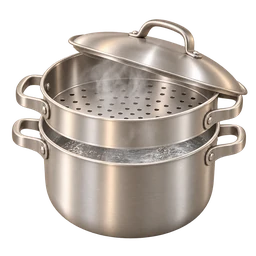
Peeled or scrubbed, then sliced (the source does not state the thickness). Whole tubers take 20-25 min
Start a timer - Roast
30-40 min
Conventional oven preheated to 450°F (230°C). Peeled or scrubbed, cut into ¼-inch (about 6 mm) slices
Start a timer
Storage & Use PlanTips & dates
Storage Time Guide
- FridgeRaw, wholeAbout 1–2 weeks
Store unwashed in a paper bag in the fridge, in the vegetable crisper if possible.
Source: CooksInfo: Jerusalem Artichokes
Estimates assume fresh produce stored as described. Freshness and temperature affect storage; these dates do not guarantee safety. Follow pack dates and instructions. Do not eat food showing spoilage, regardless of the date.
Jerusalem Artichoke Cooking FAQs
How long to boil Jerusalem Artichoke?
Boil Jerusalem Artichoke for About 5 min (Time after boiling begins). One step of a miso soup recipe: 100 g peeled and cut 1 cm thick, put in a pot with 400 ml water and dashi over medium heat; once boiling, covered and simmered on low for about 5 min until tender
How long to steam Jerusalem Artichoke?
Steam Jerusalem Artichoke for 5-8 min. Peeled or scrubbed, then sliced (the source does not state the thickness). Whole tubers take 20-25 min
How long to roast Jerusalem Artichoke?
Roast Jerusalem Artichoke for 30-40 min. Conventional oven preheated to 450°F (230°C). Peeled or scrubbed, cut into ¼-inch (about 6 mm) slices
When are Jerusalem artichokes in season?
In Japan they are harvested from November to around March, and are at their best in November and December, when the harvest peaks.
How should I store Jerusalem artichokes?
Do not wash them. Wrap them with the soil still on, in newspaper for example, and keep them in the fridge.
Is there anything to watch out for when eating them?
They contain inulin, a soluble fibre, so eating a lot can loosen your stomach. They are in the daisy family, so take care if you have that allergy.
Cooking Time Sources
Listed methods have documented times and conditions. Use the portion size and preparation shown in each tip. Some sources are in Japanese.
- デリッシュキッチン:ほっこり♪ 菊芋の味噌汁(boil) (checked 2026-11-20)
- HealWithFood.org: Vegetable Steaming Times (Chart)(steam) (checked 2026-11-20)
- HealWithFood.org: Oven Roasting Times for Different Vegetables(roast) (checked 2026-11-20)
FAQ sources
- Source: Delish Kitchen: How to eat Jerusalem artichokes, with recipes (Japanese) (in Japanese; summarised by HeatBook; checked 2026-11-20)