No.100Leafy GreensIn season Spring
Kogomi (Fiddlehead Fern) Cooking Times
Kogomi (Fiddlehead Fern): boil for 15 min (in boiling water). Times vary with portion size, cut and heat, so check the conditions for each method below.
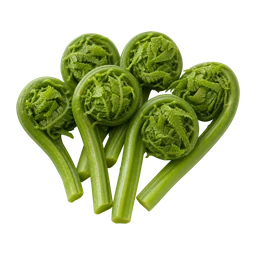
Never eat fiddleheads (kogomi) raw or undercooked
Kogomi (kusasotetsu) is the same plant as the ostrich fern (Matteuccia struthiopteris) whose young fronds are eaten as fiddleheads in North America. In the US and Canada, outbreaks of foodborne illness (diarrhoea, nausea, vomiting, cramps and headache) have followed eating raw or undercooked fiddleheads.
University of Maine Cooperative Extension says fiddleheads must never be eaten raw or undercooked. Its two safe methods are boiling for 15 minutes once the water returns to the boil, or steaming for 10-12 minutes. It does not recommend sautéing, stir-frying or microwaving them, and says to boil or steam them first before using them in recipes that sauté, stir-fry or bake.
The times on this page follow that safety guidance. Cook in small batches without packing the pan.
- Source: University of Maine Cooperative Extension: Bulletin #4198, Facts on Fiddleheads (summarised by HeatBook; checked 2026-11-20)
- Source: Delish Kitchen: How to tell kogomi, zenmai and warabi apart (Japanese) (in Japanese; summarised by HeatBook; checked 2026-11-20)
- Source: Delish Kitchen: Spring mountain vegetables — types and preparation (Japanese) (in Japanese; summarised by HeatBook; checked 2026-11-20)
Cooking Times by Method
Bars compare the times
- Boil
15 min
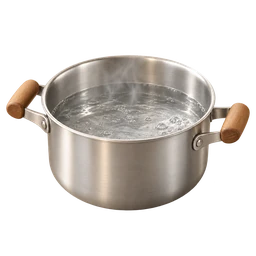
In boiling waterThe food-safety boiling time from University of Maine Cooperative Extension: add clean fiddleheads to lightly salted water at a rolling boil, fully covered, and boil for 15 min once it returns to a steady boil. Cook in small batches; do not pack the pan
Start a timer - Steam
10-12 min
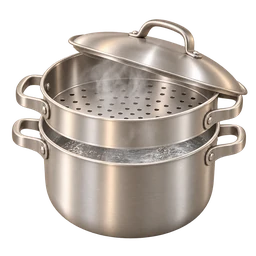
The food-safety steaming time from University of Maine Cooperative Extension: clean fiddleheads in a steamer over a small amount of boiling water, lid on. Cook in small batches
Start a timer
Preparation
Rinse thoroughly in a colander under clean cold water, then soak in clean cool water to remove the brown papery covering; repeat until clean
Storage & Use PlanTips & dates
Storage Time Guide
- FridgeRawAbout 1 week
Keep refrigerated until you cook them, and eat or preserve them within a week or less for best quality.
Source: University of Maine Cooperative Extension: Bulletin #4198, Facts on Fiddleheads
Estimates assume fresh produce stored as described. Freshness and temperature affect storage; these dates do not guarantee safety. Follow pack dates and instructions. Do not eat food showing spoilage, regardless of the date.
Kogomi (Fiddlehead Fern) Cooking FAQs
How long to boil Kogomi (Fiddlehead Fern)?
Boil Kogomi (Fiddlehead Fern) for 15 min (In boiling water). The food-safety boiling time from University of Maine Cooperative Extension: add clean fiddleheads to lightly salted water at a rolling boil, fully covered, and boil for 15 min once it returns to a steady boil. Cook in small batches; do not pack the pan
How long to steam Kogomi (Fiddlehead Fern)?
Steam Kogomi (Fiddlehead Fern) for 10-12 min. The food-safety steaming time from University of Maine Cooperative Extension: clean fiddleheads in a steamer over a small amount of boiling water, lid on. Cook in small batches
What is kogomi?
A Japanese mountain vegetable: the young shoot of the kusasotetsu fern (Matteuccia struthiopteris, ostrich fern), the same plant eaten as fiddleheads in North America.
When is kogomi in season?
In Japan, from March to May. Choose ones with thick stems and tightly coiled tips.
Can I stir-fry or microwave fiddleheads?
University of Maine Cooperative Extension does not recommend sautéing, stir-frying or microwaving them. Boil them for 15 minutes or steam them for 10-12 minutes first, then use them in other recipes.
Cooking Time Sources
Listed methods have documented times and conditions. Use the portion size and preparation shown in each tip.
- University of Maine Cooperative Extension: Bulletin #4198, Facts on Fiddleheads(boil, steam) (checked 2026-11-20)